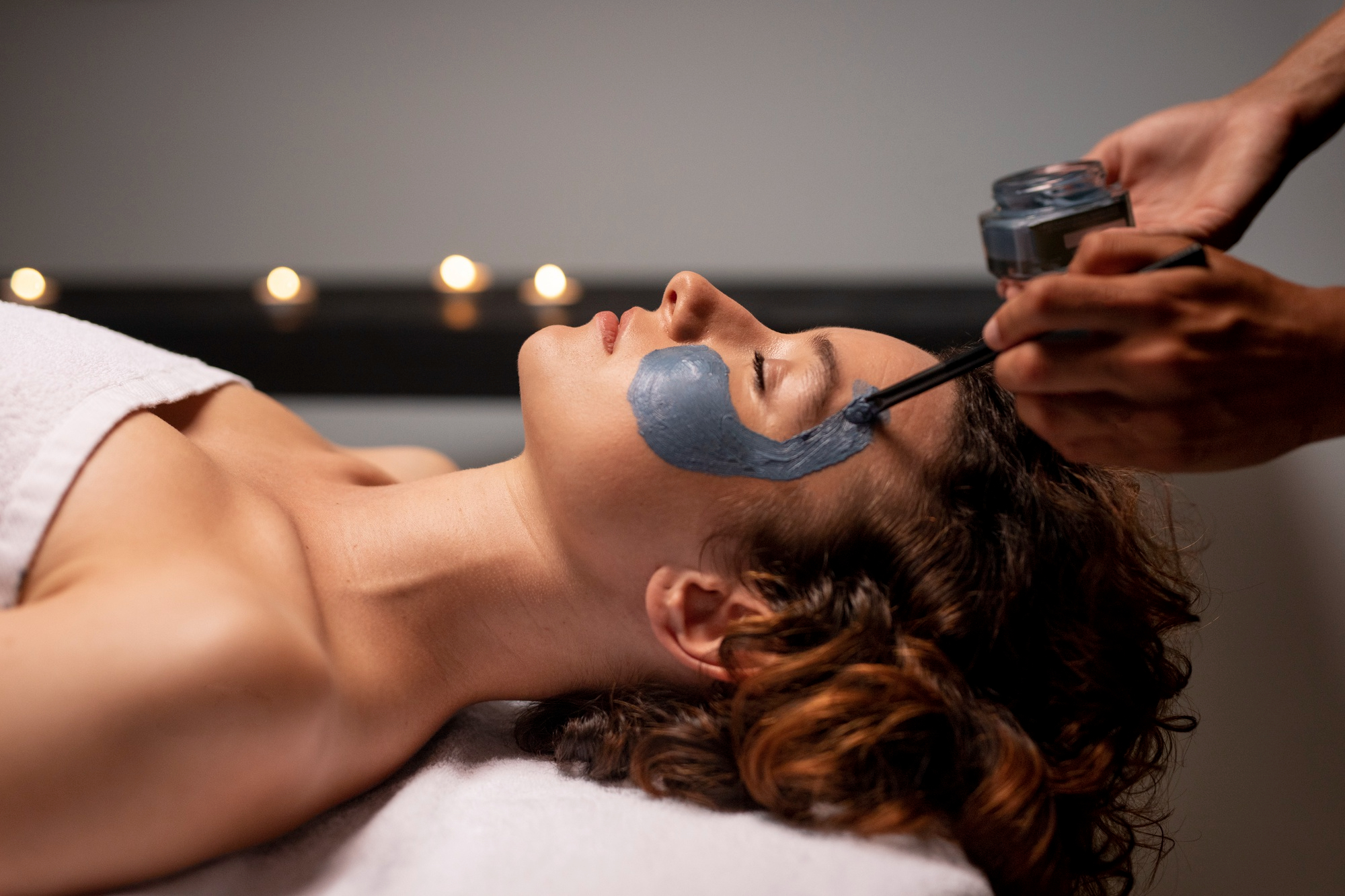
Procedures for Recovery After Flights and Stress
Procedures for recovery after flights and stress are more than a luxury for many people. After long journeys, the face and body often appear “puffy”, the skin feels dry, the neck is tense, and the overall look is tired. Add time zone changes, lack of sleep, and work pressure, and typical post-travel discomfort cannot be hidden with makeup or solved by a cup of coffee.
In a professional studio, the focus is not on medical promises, but on care, relaxation, and supporting the body’s natural regeneration. The key lies in the right combination: lymph activation to reduce swelling, hydration to restore the skin barrier, massage to release muscle tension, and treatments that help the nervous system calm down.
Why the body feels “heavy” after a flight
During a flight, we sit for long periods and move very little, which can slow circulation. As a result, tissue fluid may accumulate more easily, especially in the face and legs. At the same time, the dry cabin air increases moisture loss from the skin, intensifying the feeling of tightness and fatigue.
Stress also plays a role: the nervous system remains in a heightened state, sleep quality decreases, and muscles react with tension. The result is a combination of swelling, dryness, stiffness, and a dull complexion.
Lymphatic drainage to reduce post-flight swelling
One of the most important procedures for recovery after flights and stress is lymphatic drainage. Gentle, rhythmic techniques can support lymph flow and help the body transport excess fluid more effectively. Many people notice clearer contours and a fresher appearance afterward.
This treatment is especially suitable for those prone to swelling or who feel “bloated” after long-haul flights. Intensity is always adapted individually to ensure comfort and relaxation.
Hydrating treatments for stressed skin
After a flight, the skin often feels rough, looks dull, and becomes more sensitive. Professional hydrating treatments using ingredients such as hyaluronic acid, glycerin, aloe vera, or soothing plant extracts can help increase moisture levels in the upper skin layers and support the skin barrier.
The key is choosing calming, balancing formulas rather than overly aggressive methods. After stress or lack of sleep, gentle hydration is usually more beneficial than intensive stimulation.
Massage for neck, shoulders, and back: releasing stress
Travel involves carrying luggage, sitting for hours, and mental pressure. The body often compensates with tension, especially in the neck and shoulder area. Relaxing massages can stimulate circulation, loosen tight muscles, and noticeably improve overall comfort.
For those experiencing a heavy head or stiffness in the upper back, combining back and neck massage can provide a sense of lightness and mobility.
Facial treatments after flights: freshness without irritation
A post-flight facial should focus on stabilization: cleansing, hydration, soothing ingredients, and gentle drainage. This approach can support microcirculation and help the skin appear more awake and balanced.
If the skin is particularly sensitive after travel, very mild techniques without strong exfoliation are often preferable. The goal is protection and care, not intensive transformation in one session.
Combined anti-stress programs: when everything comes together
Sometimes it is not only the flight, but an entire stressful week. In such cases, combined programs can be the most efficient option. They integrate lymphatic drainage, massage, and hydrating skincare in a sequence that first relieves tension and then restores balance.
These procedures for recovery after flights and stress are usually tailored individually, depending on whether swelling, muscle tension, or skin dehydration is the main concern.
Common mistakes after traveling
In practice, the same patterns appear repeatedly:
- choosing overly intensive treatments immediately after arrival
- neglecting hydration despite visible dehydration
- ignoring swelling and focusing only on “tightening” effects
- following trends instead of individual needs
A successful approach starts with assessment: what feels most uncomfortable, what looks stressed, and what the skin and body actually need at that moment.
Key points about procedures for recovery after flights and stress
- Lymphatic drainage can help reduce swelling and a feeling of heaviness.
- Hydrating treatments support the skin barrier after dry cabin air.
- Massage relieves tension and promotes relaxation.
- Gentle facials are often more effective than aggressive methods right after travel.
- Combined anti-stress programs are ideal when swelling, dryness, and tension occur together.
FREQUENTLY ASKED QUESTIONS
Which treatment is best for swelling after a flight?
Gentle lymphatic drainage can support lymph flow and help the body transport excess fluid, often resulting in clearer contours and a lighter feeling.
When is the best time for recovery procedures after flights and stress?
Many people find treatments within the first 24 to 48 hours particularly pleasant, depending on how rested they feel and how their skin and circulation respond.
What helps very dry skin after long-haul flights?
Hydrating treatments with hyaluronic acid and soothing masks can reduce tightness and support the skin barrier. Strong exfoliation is often not recommended immediately after travel.
Can massage and facial treatments be combined?
Yes, combined programs are popular because they relax the muscles and nourish the skin at the same time. The order of treatments is usually tailored individually.
How often are anti-stress treatments recommended for frequent travelers?
After individual trips, one session may already provide relief. For frequent travel or ongoing stress, regular treatments can be planned according to personal needs.