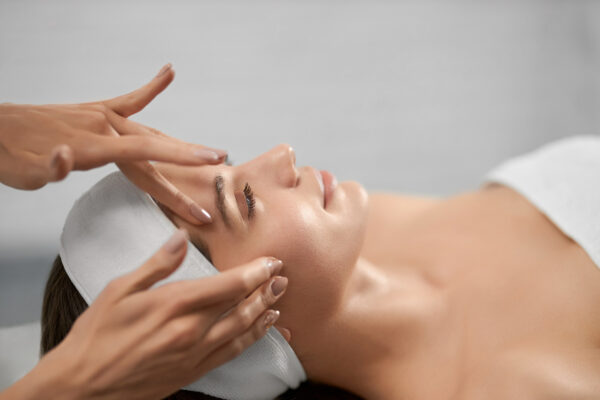
Discover the effects of AHA and BHA acids in reducing hyperpigmentation. Learn how they improve skin texture and radiance
Hyperpigmentation is a common skin concern affecting many people. It manifests as dark spots or uneven skin tones caused by factors such as sun exposure, hormonal changes, or acne. One of the most effective solutions offered by modern cosmetology is the use of AHA (Alpha Hydroxy Acids) and BHA (Beta Hydroxy Acids). These active ingredients are renowned for their exfoliating and skin-renewing properties. But how exactly do they help in fighting hyperpigmentation, and why are they so crucial in skincare?
Understanding Hyperpigmentation: Types and Causes
Before exploring treatment options, it helps to understand what type of hyperpigmentation you are dealing with. Not all dark spots are the same, and their origin influences which acids are most effective:
-
Post-inflammatory hyperpigmentation (PIH): Dark marks left behind after acne, cuts, burns, or skin irritation. These are among the most common and respond well to both AHA and BHA treatments.
-
Sun spots (solar lentigines): Flat, brown patches caused by years of UV exposure. They typically appear on hands, face, and shoulders. AHA acids are especially effective here due to their surface-level exfoliation.
-
Melasma: Larger, symmetrical patches often triggered by hormonal changes such as pregnancy or oral contraceptives. Melasma requires a gentle, consistent approach and professional guidance.
-
Age spots: Similar to sun spots but associated with skin aging. Regular exfoliation with AHA acids helps accelerate cell turnover and reduce their appearance.
What are AHA and BHA Acids?
AHA acids are water-soluble acids derived mainly from natural sources like fruits or milk. The most well-known AHA acids include glycolic acid, lactic acid, and citric acid. Their primary function is to gently remove the outer layer of dead skin cells, revealing smoother, brighter, and more even-toned skin beneath.
BHA acids, on the other hand, are oil-soluble, which allows them to penetrate deeply into the pores. The most notable BHA acid is salicylic acid, known for its anti-inflammatory and sebum-regulating properties. It is particularly effective for oily or acne-prone skin as it unclogs pores and reduces blemishes.
Both acids are effective in treating hyperpigmentation but work differently to improve skin texture and tone.
How Do AHA Acids Combat Hyperpigmentation?
AHA acids are especially effective in treating hyperpigmentation as they stimulate the skin’s natural cell renewal process. They remove dead skin cells where melanin accumulates and promote the formation of new, healthy cells.
Glycolic acid, one of the smallest AHA molecules, can penetrate deeply into the skin and target pigmentation issues. It not only helps reduce existing dark spots but also prevents new ones from forming by improving skin texture and stimulating collagen production.
Lactic acid, a gentler AHA acid, is ideal for sensitive skin. It also has exfoliating properties while providing hydration and soothing effects, making it a perfect choice for those with dry or sensitive skin.
With regular use, AHA acids leave the skin smoother, more radiant, and more even-toned, significantly reducing hyperpigmentation.
The Role of BHA Acids in Reducing Hyperpigmentation
BHA acids, particularly salicylic acid, are ideal for treating hyperpigmentation caused by acne or clogged pores. Their oil-soluble properties allow them to penetrate deeply into the pores, remove excess sebum, and reduce inflammation.
For post-inflammatory hyperpigmentation, which occurs after breakouts or skin irritation, salicylic acid works to calm the skin and brighten dark spots. It not only removes dead skin cells but also reduces redness and improves skin texture.
Regular use of BHA acids can also help prevent new blemishes, leading to a more even skin tone over time.
Choosing the Right Concentration
The effectiveness of AHA and BHA acids depends largely on the concentration used. Choosing the right percentage is essential for achieving results without irritating the skin:
-
Glycolic acid: Beginners should start with concentrations of 5 to 8 percent. More experienced users can gradually increase to 10 to 15 percent. Professional treatments at a studio may use concentrations up to 30 percent for intensive results.
-
Lactic acid: Generally well-tolerated at 5 to 10 percent. Its larger molecular size makes it gentler than glycolic acid, making it suitable for sensitive or dry skin.
-
Salicylic acid (BHA): Most over-the-counter products contain 0.5 to 2 percent. This is sufficient for daily use and effective for controlling acne-related pigmentation.
-
Mandelic acid: An often-overlooked AHA with a larger molecular structure. At 5 to 10 percent, it provides gentle exfoliation and is especially suitable for darker skin tones, which are more prone to PIH from aggressive treatments.
Combining AHA and BHA Acids: A Synergistic Effect
Combining AHA and BHA acids in skincare can be particularly effective, as both address different skin concerns simultaneously. While AHA acids focus on exfoliation and improving the skin’s surface, BHA acids target deeper layers and pores.
This combination is ideal for individuals with combination skin or multiple skin concerns, as it reduces pigmentation and blemishes. However, it is essential to use these acids carefully and gradually introduce them to the skin to avoid irritation.
Pairing Acids with Other Active Ingredients
For the best results in treating hyperpigmentation, AHA and BHA acids can be combined with complementary ingredients. However, not all combinations are advisable at the same time:
-
Niacinamide (Vitamin B3): An excellent partner for both AHA and BHA. Niacinamide helps regulate melanin transfer to skin cells and strengthens the skin barrier. It can be used in the same routine without risk of irritation.
-
Vitamin C: A powerful antioxidant that inhibits melanin production. However, it is best applied in a separate routine step (e.g., Vitamin C in the morning, acids in the evening) to avoid pH conflicts.
-
Retinol: Both retinol and acids promote cell turnover, so using them simultaneously can overwhelm the skin. It is advisable to alternate: acids on one evening, retinol on the next.
-
SPF: Non-negotiable when using any exfoliating acid. Without daily sunscreen of at least SPF 30, treatment progress can be reversed by new UV-induced pigmentation.
Building Your Routine: Step by Step
Incorporating AHA and BHA acids into your skincare routine requires a structured approach. Here is a recommended framework:
-
Morning routine: Gentle cleanser, niacinamide or Vitamin C serum, moisturizer, and sunscreen (SPF 30 or higher).
-
Evening routine: Gentle cleanser, AHA or BHA treatment (start with 2 to 3 times per week), followed by a hydrating serum and moisturizer.
-
Weekly: One stronger AHA peel (e.g., 10 percent glycolic mask) can be used as a weekly treatment to boost results, replacing the daily acid application on that evening.
Always introduce new acids gradually. Begin with one application per week and increase frequency only if the skin tolerates it well.
When to Expect Results
Patience is key when treating hyperpigmentation with acids. Visible improvements depend on the type and depth of pigmentation:
-
Weeks 2 to 4: Improved skin texture, a subtle brightening effect, and reduced roughness.
-
Weeks 4 to 8: Noticeable fading of superficial dark spots such as mild PIH and fresh sun spots.
-
Weeks 8 to 12: Significant improvement in deeper pigmentation and more even skin tone overall.
-
3 to 6 months: For stubborn conditions like melasma, a consistent routine over several months is often necessary to see meaningful change.
Professional treatments at a studio can accelerate results, as higher concentrations and targeted application techniques are used under expert supervision.
Common Mistakes to Avoid
When using acids to treat hyperpigmentation, certain mistakes can slow progress or even worsen the condition:
-
Skipping sunscreen: UV exposure is the primary driver of hyperpigmentation. Without daily SPF, even the most consistent acid routine will produce limited results.
-
Over-exfoliation: Using acids too frequently or at too high a concentration can damage the skin barrier, causing redness, peeling, and paradoxically, more pigmentation.
-
Mixing incompatible products: Combining acids with retinol or other strong actives without proper spacing can overwhelm the skin.
-
Expecting instant results: Hyperpigmentation develops over time and fades over time. Consistency and patience are essential.
-
Ignoring skin type: Oily, acne-prone skin benefits more from BHA, while dry or mature skin responds better to AHA. Using the wrong acid can cause unnecessary irritation.
How to Properly Use AHA and BHA Acids
Proper application of AHA and BHA acids is crucial to achieving maximum results while avoiding skin irritation. Start with a low concentration, especially if you’re using acids for the first time. Apply these products in the evening, as the exfoliating properties make the skin more sensitive to UV rays.
Don’t forget to use sunscreen with a high SPF during the day to protect the skin from further pigmentation and damage.
Why MONLIS Studio Is the Best Choice for AHA and BHA Acid Treatments
At MONLIS Studio, we provide professional skin analysis and customized treatments with AHA and BHA acids. Our experienced cosmetologists know how to effectively use these acids to reduce hyperpigmentation, renew the skin, and give it a radiant appearance.
We use only high-quality products and the latest techniques to ensure your skin receives the best care possible. Whether you’re dealing with sun-damaged skin, acne scars, or uneven skin tone, our treatments are tailored to address your specific concerns.
AHA and BHA acids are powerful ingredients that deliver excellent results in combating hyperpigmentation and other skin issues. They promote cell renewal, reduce dark spots, and leave the skin smoother and more even-toned.
Consult the experts at MONLIS Studio and experience how AHA and BHA acids can transform your skin. With customized treatments and professional care, we help you achieve glowing, healthy skin!
FREQUENTLY ASKED QUESTIONS
Can AHA and BHA acids completely remove hyperpigmentation?
AHA and BHA acids can significantly reduce the appearance of hyperpigmentation over time, especially superficial dark spots and PIH. Deeper pigmentation like melasma may require additional treatments and a longer timeframe. Consistent use combined with sun protection delivers the best results.
Are AHA and BHA acids safe for dark skin tones?
Yes, but caution is needed. Darker skin tones are more prone to post-inflammatory hyperpigmentation from irritation. Starting with gentle acids like lactic acid or mandelic acid at low concentrations is recommended. Always patch-test and introduce products gradually.
How often should I use acids for hyperpigmentation?
For most people, 2 to 3 times per week is a good starting point. Over time, frequency can be increased to daily use if the skin tolerates it. Professional peels at a studio can be done every 2 to 4 weeks for more intensive results.
Can I use AHA or BHA acids during pregnancy?
Low-concentration AHA acids (like lactic acid) are generally considered safe during pregnancy. BHA (salicylic acid) at high concentrations should be avoided. Always consult your healthcare provider before introducing new skincare actives during pregnancy.
What is the difference between a professional acid peel and at-home products?
Professional peels use higher concentrations (up to 30 percent or more) applied under controlled conditions, delivering faster and more dramatic results. At-home products use lower concentrations designed for regular use. Both approaches complement each other well in a long-term skincare plan.