Karlstraße 43, 80333 München Ohlstadter Str. 52, 81373 München

Karlstraße 43, 80333 München Ohlstadter Str. 52, 81373 München
How Geometric Designs Influence the Perception of Nail Shape
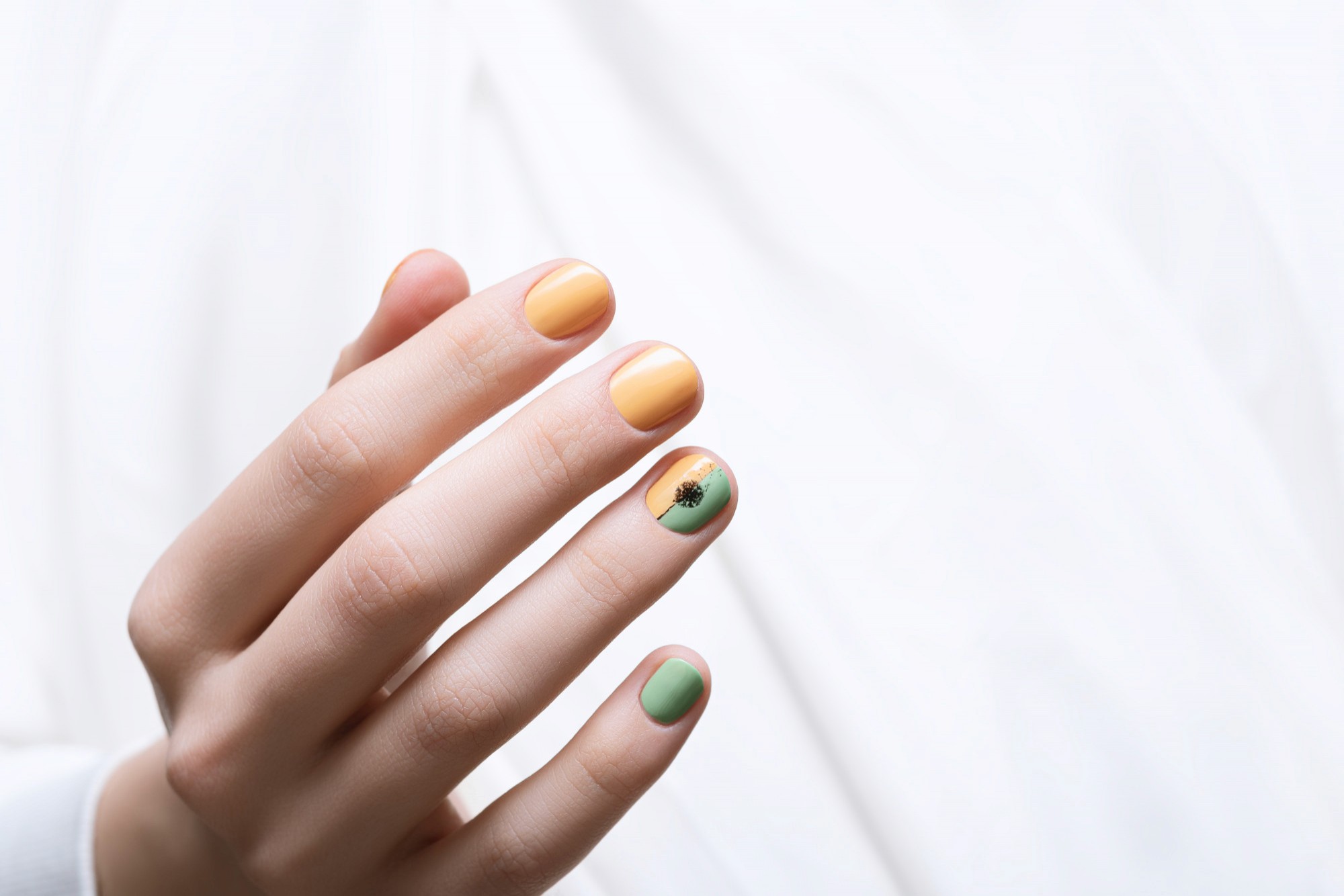
Geometry in nail design is one of the most in-demand techniques today because it not only looks stylish but also helps visually transform the natural nail shape. At MONLIS School in Munich, students learn how lines, angles, patterns, and proportions can visually elongate, shorten, slim, or balance the appearance of a nail.
Geometric patterns are not just decorative elements — they are a tool. When used correctly, they create harmony between the finger, nail plate, length, and overall design. Mastering these visual effects is a defining skill of a professional nail artist and distinguishes true craftsmanship from beginner-level work.
Optical Lengthening With Vertical Lines and Symmetrical Patterns
Vertical lines play a key role in visually lengthening or slimming the nail.
How it works:
A clear center axis makes the nail appear longer and more evenly shaped.
Thin vertical stripes, minimalistic arrows, or elongated geometric elements draw the eye upward.
Symmetry brings calmness and balance — the nail looks more polished and proportioned.
At MONLIS School, students practice the precision needed for geometric work: even a slightly misaligned line can visually “tilt” the design. Techniques using rulers, fine brushes, and highly pigmented gel paints are essential for clean, crisp results.
Wide Nails? Geometry Helps Correct Proportions
Clients with wider or flatter nails benefit significantly from strategic geometric design placement.
Slimming effects:
Diagonal lines create movement and visually reduce width.
Narrow central elements make the nail appear slimmer.
Negative space designs add lightness and delicacy.
These correction techniques are essential in MONLIS training because real clients rarely have perfectly symmetrical nail shapes. A professional’s job is to visually refine and balance the appearance — and geometric designs are perfect for this.
How Horizontal Lines Make Short Nails Look More Refined
While horizontal lines can theoretically shorten the nail, correct positioning can make short nails appear more open and elegant.
Professional techniques include:
Thin horizontal lines in the upper third create the illusion of length.
Wider geometric accents near the free edge add visual stability.
Minimalist stripes work particularly well on short oval or square nails.
Students at MONLIS School learn how to balance these elements thoughtfully — because too much detail can compress the nail visually and make it appear even shorter.
Shape Correction Through Angles, Triangles, and Sharp Edges
Geometric shapes have a psychological visual effect: triangles, trapezoids, and sharp angles look structured, modern, and defined. They also subtly influence nail shape.
Practical examples:
Upward-pointing triangles visually elongate the nail.
Wide, open angles balance overly narrow or pointed nails.
Straight edges add structure to soft or rounded nail shapes.
These principles are part of design analysis at MONLIS School. A professional nail artist must not only draw beautifully but design intentionally.
Why Precision Is Essential — and How It’s Trained
Geometric nail art requires high accuracy. Sharp angles and clean lines are only possible when the artist:
selects the correct brush size
understands gel paint consistency
adapts the design to the nail’s natural shape
controls spacing, symmetry, and hand positioning
Students at MONLIS School practice using gel paints, liner brushes, striping tools, and advanced drawing methods. Exercises on tips, grids, and real models help them develop a trained eye for proportions.
Geometry as a Signature of Style and Professional Skill
A design may look beautiful — but a design that also visually corrects the nail shape demonstrates true professionalism. This principle is central to training at MONLIS School: the ability to not only decorate but enhance the aesthetic of the nail.
Clients notice these details, even unconsciously. Clean, geometric nail art appears modern, precise, and high-quality — and transforms the overall impression of the hands.
Geometric nail design is far more than a trend. It is a powerful tool for controlling visual perception, balancing proportions, and enhancing each client’s natural nail shape.
MONLIS School Munich integrates geometry deeply into nail design training, teaching students how precise techniques and modern aesthetics combine to create flawless professional results.
Geometry in nail design is one of the most in-demand techniques today because it not only looks stylish but also helps visually transform the natural nail shape. At MONLIS School in Munich, students learn how lines, angles, patterns, and proportions can visually elongate, shorten, slim, or balance the appearance of a nail.
Geometric patterns are not just decorative elements — they are a tool. When used correctly, they create harmony between the finger, nail plate, length, and overall design. Mastering these visual effects is a defining skill of a professional nail artist and distinguishes true craftsmanship from beginner-level work.
Optical Lengthening With Vertical Lines and Symmetrical Patterns
Vertical lines play a key role in visually lengthening or slimming the nail.
How it works:
A clear center axis makes the nail appear longer and more evenly shaped.
Thin vertical stripes, minimalistic arrows, or elongated geometric elements draw the eye upward.
Symmetry brings calmness and balance — the nail looks more polished and proportioned.
At MONLIS School, students practice the precision needed for geometric work: even a slightly misaligned line can visually “tilt” the design. Techniques using rulers, fine brushes, and highly pigmented gel paints are essential for clean, crisp results.
Wide Nails? Geometry Helps Correct Proportions
Clients with wider or flatter nails benefit significantly from strategic geometric design placement.
Slimming effects:
Diagonal lines create movement and visually reduce width.
Narrow central elements make the nail appear slimmer.
Negative space designs add lightness and delicacy.
These correction techniques are essential in MONLIS training because real clients rarely have perfectly symmetrical nail shapes. A professional’s job is to visually refine and balance the appearance — and geometric designs are perfect for this.
How Horizontal Lines Make Short Nails Look More Refined
While horizontal lines can theoretically shorten the nail, correct positioning can make short nails appear more open and elegant.
Professional techniques include:
Thin horizontal lines in the upper third create the illusion of length.
Wider geometric accents near the free edge add visual stability.
Minimalist stripes work particularly well on short oval or square nails.
Students at MONLIS School learn how to balance these elements thoughtfully — because too much detail can compress the nail visually and make it appear even shorter.
Shape Correction Through Angles, Triangles, and Sharp Edges
Geometric shapes have a psychological visual effect: triangles, trapezoids, and sharp angles look structured, modern, and defined. They also subtly influence nail shape.
Practical examples:
Upward-pointing triangles visually elongate the nail.
Wide, open angles balance overly narrow or pointed nails.
Straight edges add structure to soft or rounded nail shapes.
These principles are part of design analysis at MONLIS School. A professional nail artist must not only draw beautifully but design intentionally.
Why Precision Is Essential — and How It’s Trained
Geometric nail art requires high accuracy. Sharp angles and clean lines are only possible when the artist:
selects the correct brush size
understands gel paint consistency
adapts the design to the nail’s natural shape
controls spacing, symmetry, and hand positioning
Students at MONLIS School practice using gel paints, liner brushes, striping tools, and advanced drawing methods. Exercises on tips, grids, and real models help them develop a trained eye for proportions.
Geometry as a Signature of Style and Professional Skill
A design may look beautiful — but a design that also visually corrects the nail shape demonstrates true professionalism. This principle is central to training at MONLIS School: the ability to not only decorate but enhance the aesthetic of the nail.
Clients notice these details, even unconsciously. Clean, geometric nail art appears modern, precise, and high-quality — and transforms the overall impression of the hands.
Geometric nail design is far more than a trend. It is a powerful tool for controlling visual perception, balancing proportions, and enhancing each client’s natural nail shape.
MONLIS School Munich integrates geometry deeply into nail design training, teaching students how precise techniques and modern aesthetics combine to create flawless professional results.
Geometry in nail design is one of the most in-demand techniques today because it not only looks stylish but also helps visually transform the natural nail shape. At MONLIS School in Munich, students learn how lines, angles, patterns, and proportions can visually elongate, shorten, slim, or balance the appearance of a nail.
Geometric patterns are not just decorative elements — they are a tool. When used correctly, they create harmony between the finger, nail plate, length, and overall design. Mastering these visual effects is a defining skill of a professional nail artist and distinguishes true craftsmanship from beginner-level work.
Optical Lengthening With Vertical Lines and Symmetrical Patterns
Vertical lines play a key role in visually lengthening or slimming the nail.
How it works:
A clear center axis makes the nail appear longer and more evenly shaped.
Thin vertical stripes, minimalistic arrows, or elongated geometric elements draw the eye upward.
Symmetry brings calmness and balance — the nail looks more polished and proportioned.
At MONLIS School, students practice the precision needed for geometric work: even a slightly misaligned line can visually “tilt” the design. Techniques using rulers, fine brushes, and highly pigmented gel paints are essential for clean, crisp results.
Wide Nails? Geometry Helps Correct Proportions
Clients with wider or flatter nails benefit significantly from strategic geometric design placement.
Slimming effects:
Diagonal lines create movement and visually reduce width.
Narrow central elements make the nail appear slimmer.
Negative space designs add lightness and delicacy.
These correction techniques are essential in MONLIS training because real clients rarely have perfectly symmetrical nail shapes. A professional’s job is to visually refine and balance the appearance — and geometric designs are perfect for this.
How Horizontal Lines Make Short Nails Look More Refined
While horizontal lines can theoretically shorten the nail, correct positioning can make short nails appear more open and elegant.
Professional techniques include:
Thin horizontal lines in the upper third create the illusion of length.
Wider geometric accents near the free edge add visual stability.
Minimalist stripes work particularly well on short oval or square nails.
Students at MONLIS School learn how to balance these elements thoughtfully — because too much detail can compress the nail visually and make it appear even shorter.
Shape Correction Through Angles, Triangles, and Sharp Edges
Geometric shapes have a psychological visual effect: triangles, trapezoids, and sharp angles look structured, modern, and defined. They also subtly influence nail shape.
Practical examples:
Upward-pointing triangles visually elongate the nail.
Wide, open angles balance overly narrow or pointed nails.
Straight edges add structure to soft or rounded nail shapes.
These principles are part of design analysis at MONLIS School. A professional nail artist must not only draw beautifully but design intentionally.
Why Precision Is Essential — and How It’s Trained
Geometric nail art requires high accuracy. Sharp angles and clean lines are only possible when the artist:
selects the correct brush size
understands gel paint consistency
adapts the design to the nail’s natural shape
controls spacing, symmetry, and hand positioning
Students at MONLIS School practice using gel paints, liner brushes, striping tools, and advanced drawing methods. Exercises on tips, grids, and real models help them develop a trained eye for proportions.
Geometry as a Signature of Style and Professional Skill
A design may look beautiful — but a design that also visually corrects the nail shape demonstrates true professionalism. This principle is central to training at MONLIS School: the ability to not only decorate but enhance the aesthetic of the nail.
Clients notice these details, even unconsciously. Clean, geometric nail art appears modern, precise, and high-quality — and transforms the overall impression of the hands.
Geometric nail design is far more than a trend. It is a powerful tool for controlling visual perception, balancing proportions, and enhancing each client’s natural nail shape.
MONLIS School Munich integrates geometry deeply into nail design training, teaching students how precise techniques and modern aesthetics combine to create flawless professional results.
Geometry in nail design is one of the most in-demand techniques today because it not only looks stylish but also helps visually transform the natural nail shape. At MONLIS School in Munich, students learn how lines, angles, patterns, and proportions can visually elongate, shorten, slim, or balance the appearance of a nail.
Geometric patterns are not just decorative elements — they are a tool. When used correctly, they create harmony between the finger, nail plate, length, and overall design. Mastering these visual effects is a defining skill of a professional nail artist and distinguishes true craftsmanship from beginner-level work.
Optical Lengthening With Vertical Lines and Symmetrical Patterns
Vertical lines play a key role in visually lengthening or slimming the nail.
How it works:
A clear center axis makes the nail appear longer and more evenly shaped.
Thin vertical stripes, minimalistic arrows, or elongated geometric elements draw the eye upward.
Symmetry brings calmness and balance — the nail looks more polished and proportioned.
At MONLIS School, students practice the precision needed for geometric work: even a slightly misaligned line can visually “tilt” the design. Techniques using rulers, fine brushes, and highly pigmented gel paints are essential for clean, crisp results.
Wide Nails? Geometry Helps Correct Proportions
Clients with wider or flatter nails benefit significantly from strategic geometric design placement.
Slimming effects:
Diagonal lines create movement and visually reduce width.
Narrow central elements make the nail appear slimmer.
Negative space designs add lightness and delicacy.
These correction techniques are essential in MONLIS training because real clients rarely have perfectly symmetrical nail shapes. A professional’s job is to visually refine and balance the appearance — and geometric designs are perfect for this.
How Horizontal Lines Make Short Nails Look More Refined
While horizontal lines can theoretically shorten the nail, correct positioning can make short nails appear more open and elegant.
Professional techniques include:
Thin horizontal lines in the upper third create the illusion of length.
Wider geometric accents near the free edge add visual stability.
Minimalist stripes work particularly well on short oval or square nails.
Students at MONLIS School learn how to balance these elements thoughtfully — because too much detail can compress the nail visually and make it appear even shorter.
Shape Correction Through Angles, Triangles, and Sharp Edges
Geometric shapes have a psychological visual effect: triangles, trapezoids, and sharp angles look structured, modern, and defined. They also subtly influence nail shape.
Practical examples:
Upward-pointing triangles visually elongate the nail.
Wide, open angles balance overly narrow or pointed nails.
Straight edges add structure to soft or rounded nail shapes.
These principles are part of design analysis at MONLIS School. A professional nail artist must not only draw beautifully but design intentionally.
Why Precision Is Essential — and How It’s Trained
Geometric nail art requires high accuracy. Sharp angles and clean lines are only possible when the artist:
selects the correct brush size
understands gel paint consistency
adapts the design to the nail’s natural shape
controls spacing, symmetry, and hand positioning
Students at MONLIS School practice using gel paints, liner brushes, striping tools, and advanced drawing methods. Exercises on tips, grids, and real models help them develop a trained eye for proportions.
Geometry as a Signature of Style and Professional Skill
A design may look beautiful — but a design that also visually corrects the nail shape demonstrates true professionalism. This principle is central to training at MONLIS School: the ability to not only decorate but enhance the aesthetic of the nail.
Clients notice these details, even unconsciously. Clean, geometric nail art appears modern, precise, and high-quality — and transforms the overall impression of the hands.
Geometric nail design is far more than a trend. It is a powerful tool for controlling visual perception, balancing proportions, and enhancing each client’s natural nail shape.
MONLIS School Munich integrates geometry deeply into nail design training, teaching students how precise techniques and modern aesthetics combine to create flawless professional results.
How can geometric lines change the visual perception of the nail shape?
Which geometric shapes work best for short nails?
Can geometry help correct wide or flat nails?
Why do geometric designs require a high level of precision?
What materials and tools are needed for professional geometric nail art?