Karlstraße 43, 80333 München Ohlstadter Str. 52, 81373 München

Karlstraße 43, 80333 München Ohlstadter Str. 52, 81373 München
How to Photograph Eyebrows After Treatment: Tips from MONLIS Schule
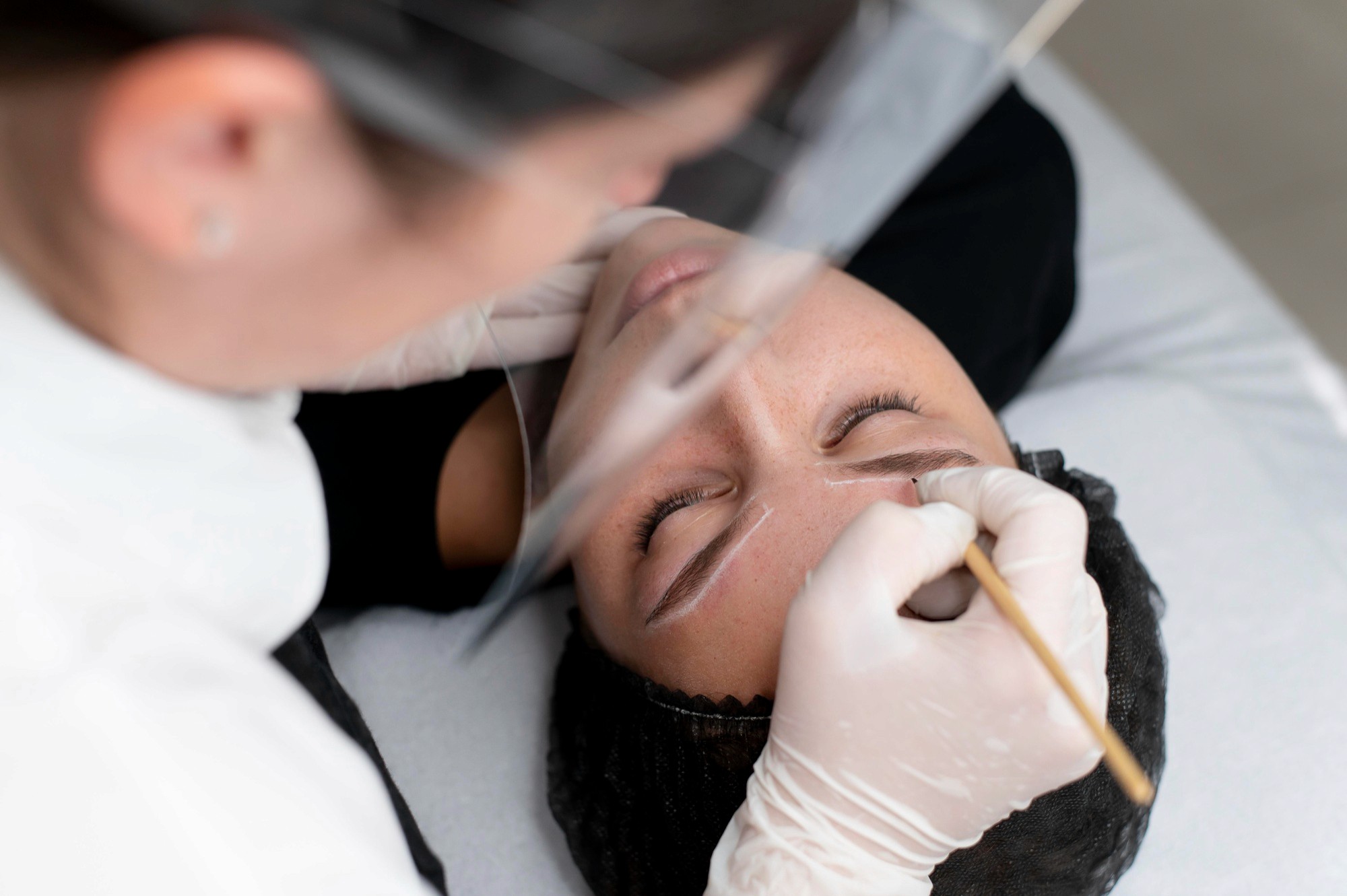
In the beauty industry, professional photo documentation is just as important as the treatment itself. For brow artists, students, and aspiring stylists at MONLIS Schule Munich, high-quality images are not merely aesthetic—they are a powerful tool for building a portfolio, showcasing expertise, and gaining clients’ trust. To capture truly impressive results, you need proper technique, knowledge, and a trained eye.
This comprehensive guide explains how to photograph eyebrows correctly after a treatment, which mistakes to avoid, and which professional methods are taught at MONLIS Schule.
Why Professional Brow Photography Matters
High-quality photos serve multiple purposes in the beauty field:
1. Building a Portfolio
Clear, detailed photos demonstrate your skills and help you attract new clients.
2. Tracking Progress
Students at MONLIS Schule use photo comparisons to evaluate their improvement and refine their techniques.
3. Enhancing Professionalism
Clean, high-quality images signal precision and care — core values of MONLIS Schule Munich.
4. Social Media & Marketing
Platforms like Instagram require strong visuals. Properly photographed brows appear authentic, neat, and professional.
Preparation: What to Do Before Taking Photos
The right preparation ensures flawless images. At MONLIS Schule, students learn that a perfect shot begins before the camera clicks.
Clean Skin
Remove excess tint, cream, or powders—macro photography reveals everything.
Proper Model Positioning
Head straight
No exaggerated chin up/down
Natural, relaxed facial expression
Even Skin Tension
Ask the model to relax the forehead to avoid distortion of the brow shape.
The Right Composition for Perfect Brow Photos
A well-structured frame highlights eyebrow work effectively.
1. Frontal View
Shows symmetry.
2. 45-Degree Angle
Enhances shape and looks more natural.
3. Close-Up
Essential for showing precision, especially after brow architecture, tinting or lamination.
4. Before & After
MONLIS Schule recommends keeping:
The same angle
The same lighting
The same composition
This makes the transformation clear and professional.
Lighting: The Key to High-Quality Brow Photography
Lighting determines how treatments appear in photos.
MONLIS Schule recommendations:
1. Prefer Natural Light
Soft, neutral, and true-to-color.
2. Use a Ring Light or Softbox When Needed
If natural light isn’t available, choose:
Neutral white light (5000–5500K)
Avoid warm tones
3. No Shadows
The light should be frontal or slightly angled.
4. Reduce Shine
Blot overly shiny areas for a clean finish.
Camera Technique: Settings & Position
Even smartphones can produce professional brow photos when used correctly.
1. Manual Focus Adjustment
Tap directly on the eyebrow to avoid misfocus.
2. Slightly Reduce Exposure
Prevents bright skin areas from losing detail.
3. Stabilize the Camera
Use both hands
Rest the phone lightly against your face
Or use a tripod
4. Never Use Flash
Flash distorts shades and creates harsh shadows.
Angles & Positions: What Works Best for Brows
Front View
Highlights symmetry and structure.
Side Views
Shows definition and arch shape.
Macro Close-Ups
A must for demonstrating:
Clean lines
The precision of work
Correct tint distribution
Neutral Head Position
No unnatural tilting — MONLIS Schule emphasizes natural, realistic presentation.
Background and Setting
A distracting background can ruin even perfect brow work.
Best options:
Solid color (white, gray, beige)
Soft, clean environment
No objects behind the model
This aesthetic clarity is a key part of MONLIS Schule’s training.
Editing: Finishing Touches Without Filters
Retouching is acceptable — but subtle.
Allowed adjustments:
Brightness / contrast
White balance
Slight sharpening
Not allowed according to MONLIS principles:
❌ Changing the brow shape
❌ Tint/color manipulation
❌ Digital enhancement of results
Authenticity is essential for a professional portfolio.
Common Mistakes and How to Avoid Them
1. Incorrect Lighting
Warm light distorts color.
2. Too Much Distance
Loses detail — close-up is mandatory.
3. Wrong Angles
Avoid shooting from below or above.
4. Using Filters
Looks unprofessional.
5. Messy Background
Distracts from the treatment result.
Why MONLIS Schule Munich Teaches Superior Photography Standards
At MONLIS Schule, students receive more than technical brow training. They learn the full cycle of professional presentation, including:
Portfolio creation
Proper beauty photography
Lighting and angle techniques
Visual aesthetics for social media
Professional documentation skills
This comprehensive approach ensures that graduates confidently showcase their expertise.
Professional brow photography is an essential part of presenting yourself as a skilled brow stylist. The techniques taught at MONLIS Schule Munich help both beginners and advanced artists document their work accurately, attractively, and professionally.
If you want to master not only brow treatments but also the art of photographing them — MONLIS Schule offers the ideal training environment for you.
In the beauty industry, professional photo documentation is just as important as the treatment itself. For brow artists, students, and aspiring stylists at MONLIS Schule Munich, high-quality images are not merely aesthetic—they are a powerful tool for building a portfolio, showcasing expertise, and gaining clients’ trust. To capture truly impressive results, you need proper technique, knowledge, and a trained eye.
This comprehensive guide explains how to photograph eyebrows correctly after a treatment, which mistakes to avoid, and which professional methods are taught at MONLIS Schule.
Why Professional Brow Photography Matters
High-quality photos serve multiple purposes in the beauty field:
1. Building a Portfolio
Clear, detailed photos demonstrate your skills and help you attract new clients.
2. Tracking Progress
Students at MONLIS Schule use photo comparisons to evaluate their improvement and refine their techniques.
3. Enhancing Professionalism
Clean, high-quality images signal precision and care — core values of MONLIS Schule Munich.
4. Social Media & Marketing
Platforms like Instagram require strong visuals. Properly photographed brows appear authentic, neat, and professional.
Preparation: What to Do Before Taking Photos
The right preparation ensures flawless images. At MONLIS Schule, students learn that a perfect shot begins before the camera clicks.
Clean Skin
Remove excess tint, cream, or powders—macro photography reveals everything.
Proper Model Positioning
Head straight
No exaggerated chin up/down
Natural, relaxed facial expression
Even Skin Tension
Ask the model to relax the forehead to avoid distortion of the brow shape.
The Right Composition for Perfect Brow Photos
A well-structured frame highlights eyebrow work effectively.
1. Frontal View
Shows symmetry.
2. 45-Degree Angle
Enhances shape and looks more natural.
3. Close-Up
Essential for showing precision, especially after brow architecture, tinting or lamination.
4. Before & After
MONLIS Schule recommends keeping:
The same angle
The same lighting
The same composition
This makes the transformation clear and professional.
Lighting: The Key to High-Quality Brow Photography
Lighting determines how treatments appear in photos.
MONLIS Schule recommendations:
1. Prefer Natural Light
Soft, neutral, and true-to-color.
2. Use a Ring Light or Softbox When Needed
If natural light isn’t available, choose:
Neutral white light (5000–5500K)
Avoid warm tones
3. No Shadows
The light should be frontal or slightly angled.
4. Reduce Shine
Blot overly shiny areas for a clean finish.
Camera Technique: Settings & Position
Even smartphones can produce professional brow photos when used correctly.
1. Manual Focus Adjustment
Tap directly on the eyebrow to avoid misfocus.
2. Slightly Reduce Exposure
Prevents bright skin areas from losing detail.
3. Stabilize the Camera
Use both hands
Rest the phone lightly against your face
Or use a tripod
4. Never Use Flash
Flash distorts shades and creates harsh shadows.
Angles & Positions: What Works Best for Brows
Front View
Highlights symmetry and structure.
Side Views
Shows definition and arch shape.
Macro Close-Ups
A must for demonstrating:
Clean lines
The precision of work
Correct tint distribution
Neutral Head Position
No unnatural tilting — MONLIS Schule emphasizes natural, realistic presentation.
Background and Setting
A distracting background can ruin even perfect brow work.
Best options:
Solid color (white, gray, beige)
Soft, clean environment
No objects behind the model
This aesthetic clarity is a key part of MONLIS Schule’s training.
Editing: Finishing Touches Without Filters
Retouching is acceptable — but subtle.
Allowed adjustments:
Brightness / contrast
White balance
Slight sharpening
Not allowed according to MONLIS principles:
❌ Changing the brow shape
❌ Tint/color manipulation
❌ Digital enhancement of results
Authenticity is essential for a professional portfolio.
Common Mistakes and How to Avoid Them
1. Incorrect Lighting
Warm light distorts color.
2. Too Much Distance
Loses detail — close-up is mandatory.
3. Wrong Angles
Avoid shooting from below or above.
4. Using Filters
Looks unprofessional.
5. Messy Background
Distracts from the treatment result.
Why MONLIS Schule Munich Teaches Superior Photography Standards
At MONLIS Schule, students receive more than technical brow training. They learn the full cycle of professional presentation, including:
Portfolio creation
Proper beauty photography
Lighting and angle techniques
Visual aesthetics for social media
Professional documentation skills
This comprehensive approach ensures that graduates confidently showcase their expertise.
Professional brow photography is an essential part of presenting yourself as a skilled brow stylist. The techniques taught at MONLIS Schule Munich help both beginners and advanced artists document their work accurately, attractively, and professionally.
If you want to master not only brow treatments but also the art of photographing them — MONLIS Schule offers the ideal training environment for you.
In the beauty industry, professional photo documentation is just as important as the treatment itself. For brow artists, students, and aspiring stylists at MONLIS Schule Munich, high-quality images are not merely aesthetic—they are a powerful tool for building a portfolio, showcasing expertise, and gaining clients’ trust. To capture truly impressive results, you need proper technique, knowledge, and a trained eye.
This comprehensive guide explains how to photograph eyebrows correctly after a treatment, which mistakes to avoid, and which professional methods are taught at MONLIS Schule.
Why Professional Brow Photography Matters
High-quality photos serve multiple purposes in the beauty field:
1. Building a Portfolio
Clear, detailed photos demonstrate your skills and help you attract new clients.
2. Tracking Progress
Students at MONLIS Schule use photo comparisons to evaluate their improvement and refine their techniques.
3. Enhancing Professionalism
Clean, high-quality images signal precision and care — core values of MONLIS Schule Munich.
4. Social Media & Marketing
Platforms like Instagram require strong visuals. Properly photographed brows appear authentic, neat, and professional.
Preparation: What to Do Before Taking Photos
The right preparation ensures flawless images. At MONLIS Schule, students learn that a perfect shot begins before the camera clicks.
Clean Skin
Remove excess tint, cream, or powders—macro photography reveals everything.
Proper Model Positioning
Head straight
No exaggerated chin up/down
Natural, relaxed facial expression
Even Skin Tension
Ask the model to relax the forehead to avoid distortion of the brow shape.
The Right Composition for Perfect Brow Photos
A well-structured frame highlights eyebrow work effectively.
1. Frontal View
Shows symmetry.
2. 45-Degree Angle
Enhances shape and looks more natural.
3. Close-Up
Essential for showing precision, especially after brow architecture, tinting or lamination.
4. Before & After
MONLIS Schule recommends keeping:
The same angle
The same lighting
The same composition
This makes the transformation clear and professional.
Lighting: The Key to High-Quality Brow Photography
Lighting determines how treatments appear in photos.
MONLIS Schule recommendations:
1. Prefer Natural Light
Soft, neutral, and true-to-color.
2. Use a Ring Light or Softbox When Needed
If natural light isn’t available, choose:
Neutral white light (5000–5500K)
Avoid warm tones
3. No Shadows
The light should be frontal or slightly angled.
4. Reduce Shine
Blot overly shiny areas for a clean finish.
Camera Technique: Settings & Position
Even smartphones can produce professional brow photos when used correctly.
1. Manual Focus Adjustment
Tap directly on the eyebrow to avoid misfocus.
2. Slightly Reduce Exposure
Prevents bright skin areas from losing detail.
3. Stabilize the Camera
Use both hands
Rest the phone lightly against your face
Or use a tripod
4. Never Use Flash
Flash distorts shades and creates harsh shadows.
Angles & Positions: What Works Best for Brows
Front View
Highlights symmetry and structure.
Side Views
Shows definition and arch shape.
Macro Close-Ups
A must for demonstrating:
Clean lines
The precision of work
Correct tint distribution
Neutral Head Position
No unnatural tilting — MONLIS Schule emphasizes natural, realistic presentation.
Background and Setting
A distracting background can ruin even perfect brow work.
Best options:
Solid color (white, gray, beige)
Soft, clean environment
No objects behind the model
This aesthetic clarity is a key part of MONLIS Schule’s training.
Editing: Finishing Touches Without Filters
Retouching is acceptable — but subtle.
Allowed adjustments:
Brightness / contrast
White balance
Slight sharpening
Not allowed according to MONLIS principles:
❌ Changing the brow shape
❌ Tint/color manipulation
❌ Digital enhancement of results
Authenticity is essential for a professional portfolio.
Common Mistakes and How to Avoid Them
1. Incorrect Lighting
Warm light distorts color.
2. Too Much Distance
Loses detail — close-up is mandatory.
3. Wrong Angles
Avoid shooting from below or above.
4. Using Filters
Looks unprofessional.
5. Messy Background
Distracts from the treatment result.
Why MONLIS Schule Munich Teaches Superior Photography Standards
At MONLIS Schule, students receive more than technical brow training. They learn the full cycle of professional presentation, including:
Portfolio creation
Proper beauty photography
Lighting and angle techniques
Visual aesthetics for social media
Professional documentation skills
This comprehensive approach ensures that graduates confidently showcase their expertise.
Professional brow photography is an essential part of presenting yourself as a skilled brow stylist. The techniques taught at MONLIS Schule Munich help both beginners and advanced artists document their work accurately, attractively, and professionally.
If you want to master not only brow treatments but also the art of photographing them — MONLIS Schule offers the ideal training environment for you.
In the beauty industry, professional photo documentation is just as important as the treatment itself. For brow artists, students, and aspiring stylists at MONLIS Schule Munich, high-quality images are not merely aesthetic—they are a powerful tool for building a portfolio, showcasing expertise, and gaining clients’ trust. To capture truly impressive results, you need proper technique, knowledge, and a trained eye.
This comprehensive guide explains how to photograph eyebrows correctly after a treatment, which mistakes to avoid, and which professional methods are taught at MONLIS Schule.
Why Professional Brow Photography Matters
High-quality photos serve multiple purposes in the beauty field:
1. Building a Portfolio
Clear, detailed photos demonstrate your skills and help you attract new clients.
2. Tracking Progress
Students at MONLIS Schule use photo comparisons to evaluate their improvement and refine their techniques.
3. Enhancing Professionalism
Clean, high-quality images signal precision and care — core values of MONLIS Schule Munich.
4. Social Media & Marketing
Platforms like Instagram require strong visuals. Properly photographed brows appear authentic, neat, and professional.
Preparation: What to Do Before Taking Photos
The right preparation ensures flawless images. At MONLIS Schule, students learn that a perfect shot begins before the camera clicks.
Clean Skin
Remove excess tint, cream, or powders—macro photography reveals everything.
Proper Model Positioning
Head straight
No exaggerated chin up/down
Natural, relaxed facial expression
Even Skin Tension
Ask the model to relax the forehead to avoid distortion of the brow shape.
The Right Composition for Perfect Brow Photos
A well-structured frame highlights eyebrow work effectively.
1. Frontal View
Shows symmetry.
2. 45-Degree Angle
Enhances shape and looks more natural.
3. Close-Up
Essential for showing precision, especially after brow architecture, tinting or lamination.
4. Before & After
MONLIS Schule recommends keeping:
The same angle
The same lighting
The same composition
This makes the transformation clear and professional.
Lighting: The Key to High-Quality Brow Photography
Lighting determines how treatments appear in photos.
MONLIS Schule recommendations:
1. Prefer Natural Light
Soft, neutral, and true-to-color.
2. Use a Ring Light or Softbox When Needed
If natural light isn’t available, choose:
Neutral white light (5000–5500K)
Avoid warm tones
3. No Shadows
The light should be frontal or slightly angled.
4. Reduce Shine
Blot overly shiny areas for a clean finish.
Camera Technique: Settings & Position
Even smartphones can produce professional brow photos when used correctly.
1. Manual Focus Adjustment
Tap directly on the eyebrow to avoid misfocus.
2. Slightly Reduce Exposure
Prevents bright skin areas from losing detail.
3. Stabilize the Camera
Use both hands
Rest the phone lightly against your face
Or use a tripod
4. Never Use Flash
Flash distorts shades and creates harsh shadows.
Angles & Positions: What Works Best for Brows
Front View
Highlights symmetry and structure.
Side Views
Shows definition and arch shape.
Macro Close-Ups
A must for demonstrating:
Clean lines
The precision of work
Correct tint distribution
Neutral Head Position
No unnatural tilting — MONLIS Schule emphasizes natural, realistic presentation.
Background and Setting
A distracting background can ruin even perfect brow work.
Best options:
Solid color (white, gray, beige)
Soft, clean environment
No objects behind the model
This aesthetic clarity is a key part of MONLIS Schule’s training.
Editing: Finishing Touches Without Filters
Retouching is acceptable — but subtle.
Allowed adjustments:
Brightness / contrast
White balance
Slight sharpening
Not allowed according to MONLIS principles:
❌ Changing the brow shape
❌ Tint/color manipulation
❌ Digital enhancement of results
Authenticity is essential for a professional portfolio.
Common Mistakes and How to Avoid Them
1. Incorrect Lighting
Warm light distorts color.
2. Too Much Distance
Loses detail — close-up is mandatory.
3. Wrong Angles
Avoid shooting from below or above.
4. Using Filters
Looks unprofessional.
5. Messy Background
Distracts from the treatment result.
Why MONLIS Schule Munich Teaches Superior Photography Standards
At MONLIS Schule, students receive more than technical brow training. They learn the full cycle of professional presentation, including:
Portfolio creation
Proper beauty photography
Lighting and angle techniques
Visual aesthetics for social media
Professional documentation skills
This comprehensive approach ensures that graduates confidently showcase their expertise.
Professional brow photography is an essential part of presenting yourself as a skilled brow stylist. The techniques taught at MONLIS Schule Munich help both beginners and advanced artists document their work accurately, attractively, and professionally.
If you want to master not only brow treatments but also the art of photographing them — MONLIS Schule offers the ideal training environment for you.
Why is it so important to photograph eyebrows correctly after a treatment?
What kind of lighting is best for photographing eyebrows?
Which angles should be used to photograph eyebrows professionally?
Is it acceptable to edit brow photos after taking them?
What are the most common mistakes people make when photographing eyebrows?