Can You Get a Shellac Pedicure in Winter?
Many clients wonder whether it makes sense to have a Shellac pedicure in winter, when open shoes are replaced by boots and warm footwear. At first glance, foot care may seem less important during the cold season. In reality, it plays a key role in skin health, nail stability, and overall comfort.
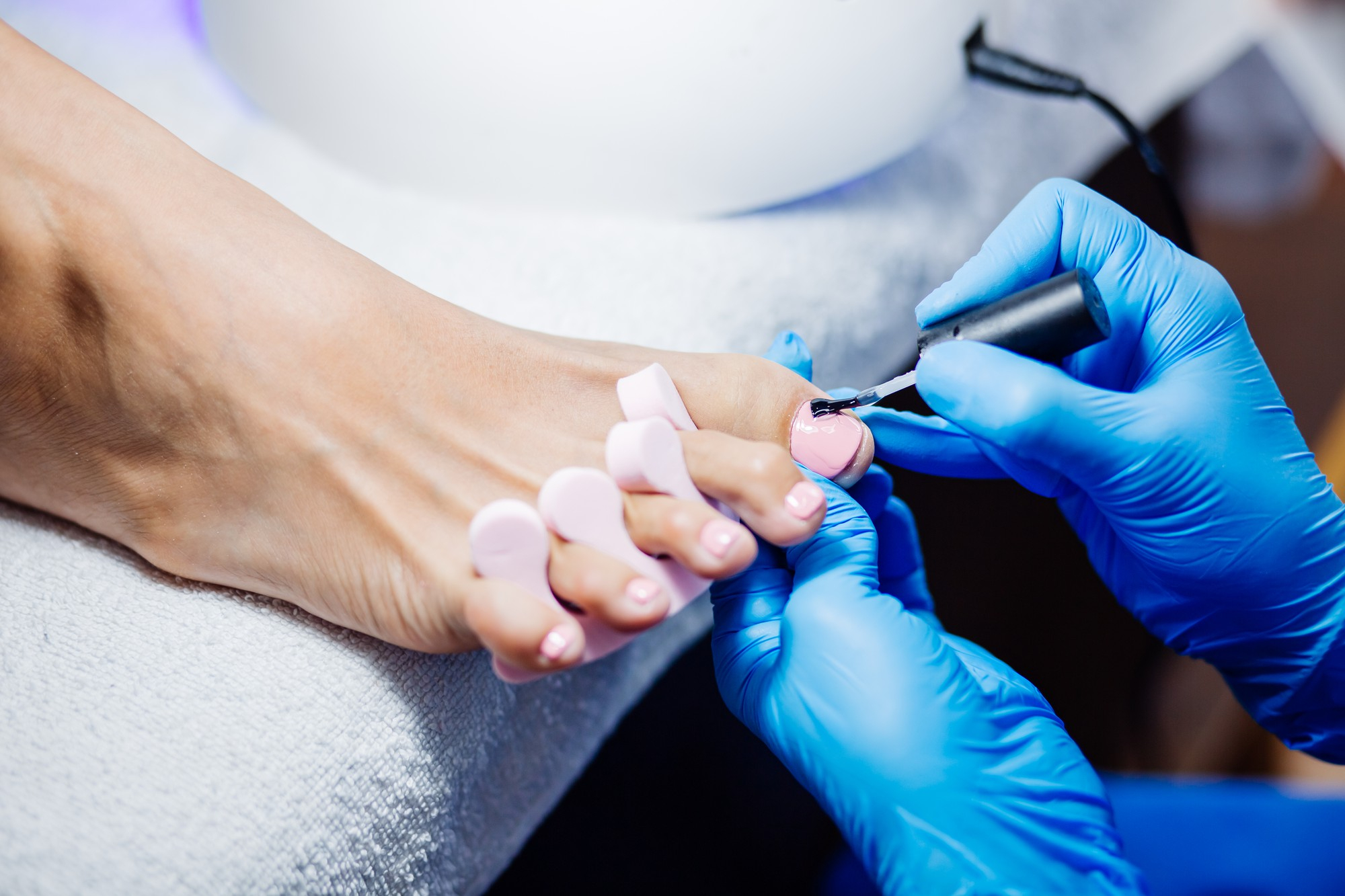
Shellac on toenails is not only an aesthetic detail but also helps protect the nail plate and maintain a neat, well-groomed appearance—even when feet are mostly hidden in closed shoes.
How Cold Weather and Dry Air Affect the Feet
In winter, the skin of the feet reacts sensitively to temperature changes, dry indoor air, and friction from shoes. The outer skin layer loses moisture more quickly, which may lead to tightness, cracked heels, and increased sensitivity.
Regular professional pedicure helps support the skin barrier, gently remove calluses, and keep nails in a healthy shape.
Why Shellac Can Be Beneficial in Winter
Properly applied Shellac creates a protective layer on the nail surface. It can help reduce moisture loss, shield the nail from mechanical stress inside shoes, and maintain an even, smooth surface.
During the cold season, nails often benefit from this uniform sealing, as they appear less prone to dryness and chipping.
Durability Under Closed Footwear
Contrary to common belief, Shellac often lasts even longer in winter than in summer. With less exposure to water, sand, and UV radiation, the coating remains stable and glossy.
A professional preparation of the nail plate and careful sealing of the free edge are essential for optimal wear time.
Care Beyond Appearance
A winter pedicure is not only about color. It includes proper nail trimming, cuticle care, controlled callus removal, and intensive moisturizing treatments.
These steps may help reduce pressure points, prevent ingrown nails, and relieve feelings of dryness.
Hygiene and Prevention in the Cold Season
Closed shoes create a warm and slightly humid environment in which microorganisms can multiply more easily. Regular professional foot care supports skin monitoring and helps detect changes at an early stage.
Individually Adapted Treatment
In winter, richer care products, gentler techniques, and suitable tools are often used to avoid unnecessary irritation of sensitive skin. The choice of Shellac color may follow seasonal preferences, but remains a matter of personal style.
Key Facts About Shellac Pedicure in Winter
- Shellac may help protect the nail plate from dryness.
- Wear time is often very good in closed footwear.
- Regular care helps prevent calluses and heel cracks.
- Pedicure supports hygiene in warm, enclosed shoes.
- Each treatment is adapted to seasonal skin needs.
FREQUENTLY ASKED QUESTIONS
Does Shellac last longer in winter than in summer?
With less exposure to external factors, wear time in winter is often even longer.
Is a pedicure really necessary in winter?
Yes, because cold air, dry heating, and shoe friction place extra stress on skin and nails.
Can Shellac protect nails from cold temperatures?
The coating forms a protective layer that can help reduce moisture loss.
How often should you have a pedicure in winter?
The interval depends on nail growth and skin condition, commonly every four to six weeks.
Is special aftercare needed after a winter pedicure?
Regular moisturizing and protection from excessive dryness support the results.