Late May, the bikini is already waiting in the drawer, and the same question comes up again: what actually helps against cellulite? Almost every woman knows this moment right before summer, when the small dimples on the thighs or buttocks — often called orange peel skin — suddenly get attention again. Let’s be honest from the start: there’s no miracle cure. But an anti-cellulite massage in Munich can visibly firm the skin, get circulation going, and simply feel good while doing it. How the treatment works, how it differs from expensive high-tech devices, when the right time to start is, and what you can realistically expect — that’s what this guide is about.
In the months before summer, Munich sees a flood of offers: cryolipolysis here, radiofrequency there, plus studios advertising vacuum devices and shockwave therapy. Anyone searching for the first time quickly lands in a thicket of technical terms and three-digit price tags. The simpler, more direct option is easily overlooked: the hands of an experienced massage therapist who know exactly where to apply pressure — and where not to.
What Is an Anti-Cellulite Massage and How Does It Work?
An anti-cellulite massage stimulates circulation, supports lymphatic drainage, and loosens connective tissue. After a course of treatments, the skin often looks smoother and firmer.
Cellulite occurs when fat cells push the connective tissue structure outward while the skin itself loses elasticity. The result is the characteristic orange-peel look, appearing mainly on the thighs, buttocks, and abdomen. This is exactly where manual massage comes in: targeted kneading and rolling movements stimulate microcirculation in the tissue, excess fluid is transported away more easily, and the connective tissue becomes more supple. Cellulite doesn’t disappear completely this way — no method, manual or device-based, can do that. But with regular treatment, the skin’s appearance can visibly improve.
Where does orange-peel skin actually come from? It’s mainly a combination of weak connective tissue and hormonal factors — less about body weight itself.
Picture the tissue around the thighs and buttocks like a sponge that hasn’t been wrung out in a long time. In many women, it holds more fluid than it should — not because of being overweight, but through a combination of weak connective tissue structure, little daily movement, and hormonal fluctuations. This is exactly where the massage comes in: the pinching and rolling grips release adhesions, and the following stroking movements support fluid drainage through the lymphatic system.
What’s often missing in guides is everyday life afterward. Massage doesn’t replace a healthy lifestyle — it complements it. Movement, enough water, and a balanced diet act on the same mechanisms as the treatment itself: circulation and connective tissue structure. Combine both, and results usually appear faster than relying on massage alone.
The effect is also cumulative. After a single session, many clients mostly notice that the skin feels warmer and more alive — visible changes on the skin’s surface take several weeks. A single treatment isn’t a miracle formula, but the first step of a routine.
Manual Massage vs. High-Tech Devices: What’s the Difference?
The difference isn’t in effectiveness itself, but in the approach: high-tech devices work with cold, radio waves, or shockwaves applied from outside the tissue, while manual massage works with targeted human pressure and calms the nervous system at the same time.
Munich now offers a whole spectrum of device-based methods against cellulite, from cryolipolysis to radiofrequency to specialized vacuum-roller systems. These devices are often technically demanding — and correspondingly more expensive, both for the studios to purchase and for clients to pay. That doesn’t automatically make them better, just different. The big advantage of manual massage: every treatment is individually adapted to body zones, skin condition, and sensitivity. A device has no sense of feel.
There’s also something rarely talked about but very much felt: tension and stress affect overall wellbeing, and that in turn affects how the skin feels. A manual massage works on two levels — physically on the tissue and mentally through relaxation during the treatment. A device can’t do that. More money for a high-tech device doesn’t automatically mean more results. It really depends on what you’re actually looking for: a technical procedure, or an hour that does both body and mind good.
Devices also typically treat a fixed zone according to a fixed protocol, regardless of how the client feels that day. In a manual treatment, the therapist can respond in the moment — a bit more pressure on a tense spot, a bit less on a sensitive one.
The methods also differ in frequency. Device-based procedures like cryolipolysis are often designed for a few sessions spaced further apart — convenient for some clients, but with little room for adjustment during the course of treatment. Manual massage fits more flexibly into a schedule: a short appointment after work, a small break during a stressful week.
If you’re still unsure which approach fits your situation better, you’ll find a detailed comparison in our article why manual anti-cellulite massage often works better than devices, where both methods are compared in detail once more.
Cellulite and Summer: Why Now Is the Right Time
For a visible result by summer 2026, a treatment twice a week over several weeks is recommended — and the best time to start is now.
That sounds like a lot, but it’s exactly where most women start too late. A single massage right before vacation changes little, because the tissue needs repeated impulses to really respond. Starting in April or May leaves realistic time before the first summer heatwave in June for a series of eight to twelve treatments. Combined with body wraps, the effect can often be enhanced — a proven addition, especially during summer preparation.
A common mistake: many women only book their first appointment once their vacation is already set, just two or three weeks out. The tissue can still be treated at that point, but expectations should be adjusted accordingly — a clear difference realistically shows only after a full series, not after two or three sessions. For lying on the beach in July, that means: start the treatment series by April or early May at the latest.
Combining the treatment series with enough movement, water, and small daily rituals supports the effect further — not as an obligation, but as a small feel-good moment along the way, which many clients enjoy building into their routine anyway.
Which Body Zones Are Treated?
The thighs, buttocks, and abdomen are treated most often — the classic zones where cellulite shows up most.
Not every zone responds the same way, and not every client needs the same program. Some women feel the strongest effect on the outer thighs, others on the buttocks or abdomen, depending on skin type, connective tissue structure, and personal history, such as after pregnancy. At MONLIS Studio, this is briefly discussed at the start of every treatment to decide which zone should be the focus. If you’re unsure, it’s worth choosing the right zone for your treatment — something you can also work out together with your therapist in just a few minutes.
Some clients combine several zones, others focus deliberately on just one area to see results there faster. Both are possible, but they change the duration and rhythm of the treatment series: someone treating only the outer thighs can work more intensively per session than someone covering the abdomen, buttocks, and thighs at the same time.
What Happens During a Treatment at MONLIS Studio?
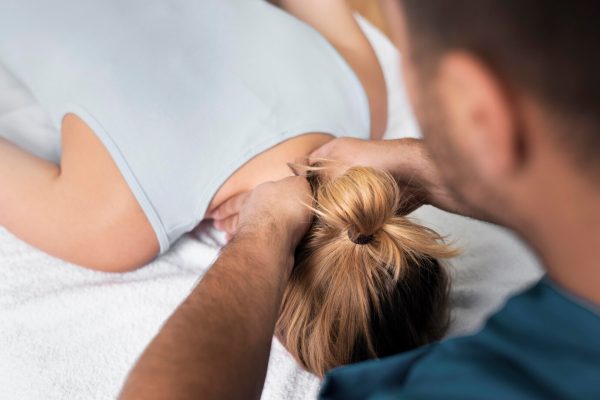
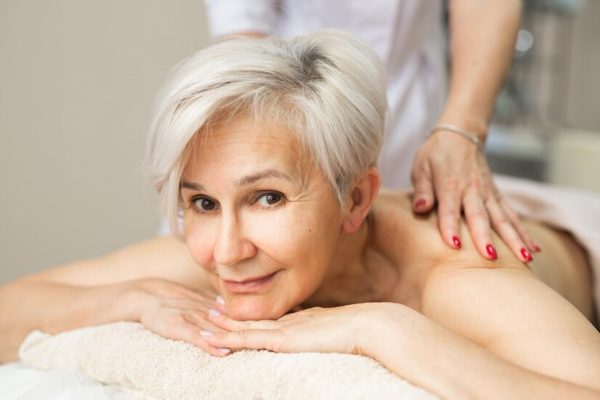
A treatment usually lasts between 45 and 60 minutes and starts with a short conversation about target zones and sensitivity, followed by the actual massage using special kneading, rolling, and drainage techniques.
The process is deliberately kept calm. After the brief assessment, the tissue is first warmed up with gentler movements before the actual work on deeper layers begins. More intense kneading grips alternate with stroking, lymph-draining movements. Many clients find the last few minutes of the treatment the most pleasant, as the pressure eases and the body visibly relaxes. For many clients, the appointment becomes not just a care routine but a small feel-good treatment in the middle of the week.
MONLIS operates three studios in Munich — at Goetheplatz, in Westpark, and on Karlstraße — so most clients find a location close to home or work. All treatments are carried out by certified specialists with international qualifications. Over 10,000 clients have already chosen a treatment at MONLIS.
The atmosphere plays a bigger role than you might think: dimmed lighting, calm music, a room where your phone can simply stay untouched for an hour. All of that helps the body relax in the first place — and that relaxation isn’t a nice side note, it’s part of the effect. A tense body responds less well to massage than a body that feels safe. After the appointment, MONLIS therapists usually recommend drinking enough water to support the stimulated lymph flow.
For first-time visitors, the team takes a bit more time at the start: skin condition, pre-existing conditions, and personal preferences are briefly discussed before the actual treatment begins. Regular clients who have already gone through a series often go straight into the massage, since zones and pressure intensity are already known. Both are equally common at MONLIS, and no one needs to prepare specially for a first appointment — a comfortable retreat for the next hour is all it takes.
What Does Science Say? Realistic Expectations
Cellulite doesn’t disappear completely even with regular massage. That’s not a MONLIS-specific shortcoming — it’s a fact that even providers of device-based methods can’t honestly argue away.
A look at the numbers shows why the topic affects so many people: an estimated 80 to 90 percent of all women are affected by cellulite at some point, regardless of body weight. Hormones and connective tissue structure play a bigger role than pure fat mass — which explains why very slim women can be just as affected as women with more body fat.
Regular anti-cellulite massage can, with continued use, contribute to improving the skin’s appearance and shows a visible result for most clients after a full course of treatment. This effect usually lasts as long as the treatment continues. What it can’t do is make cellulite disappear permanently and completely. That may sound disappointing, but it’s exactly the point where MONLIS deliberately chooses honesty over big promises.
Why do we say this so clearly, even though it could theoretically hurt sales? Because clients who start a treatment series with realistic expectations end up more satisfied than those who hoped for a perfect result. Disappointment usually doesn’t come from the method itself, but from overblown promises beforehand — promises we don’t want to make, whether about percentage points or about cellulite disappearing entirely, since no reliable data supports either.
Over the years, skin naturally loses elasticity, which can make cellulite more visible, regardless of whether a woman is 25 or 45. Massage can’t stop this process, but it can support circulation and tissue quality in the meantime.
This treatment is not a medical therapy and does not replace medical advice. If you have concerns about skin changes or health issues, we recommend seeing a doctor.
Cost and Booking in Munich
The Anti-Cellulite Correction at MONLIS costs €80 per treatment; for intensive summer preparation, combining it with body wraps or a treatment package is often worthwhile.
The price is noticeably below what many device-based methods in Munich charge — a deciding factor for many clients. Anyone who chooses a series of eight to twelve appointments usually benefits at MONLIS from a lower price per session than with individual bookings — a detail that quickly pays off when budgeting for the whole summer preparation.
A series can be booked online directly, with free choice between the three locations, around the clock, without needing to call during opening hours.
Choosing between the three locations can simply follow your daily routine: Goetheplatz works well for a lunch-break appointment, Westpark suits those looking for some quiet after work, and Karlstraße is central enough for a quick stop between two errands. All three studios offer the same range of services, so location is really the only deciding factor.
Summer 2026 is coming either way. What you do for your skin until then is up to you. The most honest option is usually also the most pleasant: a manual anti-cellulite massage that takes time but works, and feels like genuine care rather than a medical procedure. Anyone starting now has enough time before bikini season for a full treatment series.
→ Book your anti-cellulite massage in Munich now
This article is for general information purposes only and does not replace advice from a doctor or specialist.
Frequently Asked Questions
For visible results, a series of eight to twelve treatments is recommended, ideally twice a week during the intensive preparation phase before summer.
The treatment can feel intense in sensitive areas but shouldn’t be painful. Pressure is adjusted individually to each client’s sensitivity.
First changes in skin appearance often show after four to six treatments, with a more noticeable result usually after a complete series.
Yes, combining it with body wraps is often recommended at MONLIS to boost the effect on skin firmness and circulation.
With acute skin conditions, risk of thrombosis, advanced pregnancy, or open wounds, medical advice should be sought before treatment. It’s also advisable to postpone an appointment in case of feverish infections or recently healed surgical wounds in the treatment area.