Munich is home to several hundred cosmetic studios — from the solo practitioner working out of a back room to chains with multiple locations. What looks professional at first glance doesn’t always hold up to closer scrutiny: missing training credentials, lax hygiene, treatments rushed through on a conveyor-belt schedule where the actual skin analysis gets skipped entirely. For a manicure, that’s mildly annoying. For a facial, a peel, or a device-based treatment, it can actually harm your skin.
This article lays out nine concrete criteria that separate a genuinely trustworthy cosmetic studio in Munich from one that simply looks good — from the esthetician’s training to hygiene standards to transparent pricing. Most of these can be checked during the very first consultation, not after the treatment is already over and the result is set.
1. A Certified, State-Recognized Training Background
The job title “esthetician” is not a legally protected term in Germany — technically, anyone can call themselves one, whether or not any real training stands behind it.
This surprises most clients, because it’s natural to assume a recognized qualification sits behind the title — the way it would for a hairdresser or a physiotherapist. In practice, a certificate from a multi-day crash course is often enough for someone to set up shop as a “specialist esthetician.”
The dual vocational training path is different: three years, split between an employer and vocational school, ending in a final exam before the Chamber of Industry and Commerce or the Chamber of Skilled Crafts — governed by the German regulation on esthetician vocational training from 2002. The route through a dedicated vocational school typically takes two to three years, depending on the German state, and leads to the title “state-certified esthetician.”
It’s worth asking directly: where did the training take place, how long did it last, was there an official chamber exam behind it? A trustworthy studio won’t hesitate to answer, and will show you the certificate on request.
2. Visible Certificates and Continuing Education as a Quality Signal
More telling than the original qualification are certificates displayed on the wall and evidence of regular continuing education — both show that an esthetician keeps up with how the field evolves.
A diploma from 2015 says little about whether an esthetician today knows how to work with current ingredients, devices, and skin types. This matters especially for device-based treatments — microneedling, ultrasound treatments, radiofrequency — where basic cosmetic training alone isn’t enough. These procedures require separate, procedure-specific certification from equipment manufacturers or specialized academies.
A quick glance at the reception wall often reveals more than any sales pitch: are there certificates for specific procedures, or just a single, yellowing diploma? And when was the last time this esthetician took a course?
3. Hygiene Standards and Sterilization Worth Checking
Disinfected or sterilized instruments, single-use materials where appropriate, and documented hygiene procedures — in a trustworthy cosmetic studio, this isn’t a nice-to-have, it’s a legal requirement.
The legal basis is each German state’s hygiene regulation. In Bavaria, this was tightened as of March 17, 2026: since then, all invasive cosmetic procedures — not just manicures and pedicures — fall explicitly under the stricter rules. In Munich, the city’s Department of Health additionally oversees hygiene in cosmetic and personal-care businesses and responds in particular to customer complaints.
In practice, you can check this within minutes of your first visit — look for:
- Instruments. Should visibly come from sealed packaging or a disinfection bath, never from an open drawer.
- Hand hygiene. Washing and disinfecting before and after every treatment, clearly visible to the client.
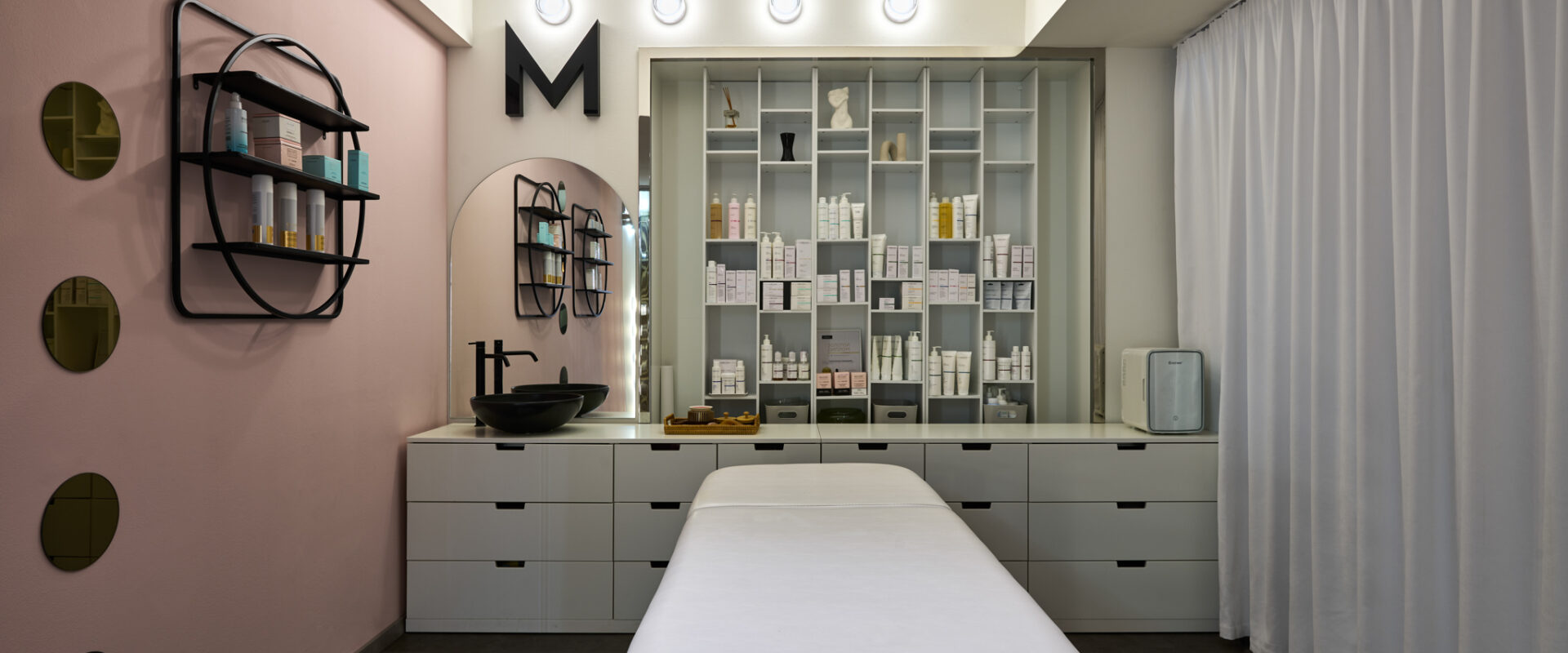
- Private rooms instead of curtains. Separate, lockable treatment rooms have long been the industry’s baseline standard for hygiene and privacy.
- Single-use materials. Files, spatulas, and similar tools are either disposed of after use or demonstrably sterilized.
A direct question about instrument reprocessing is entirely reasonable. If someone dodges it, that’s a warning sign.
4. Clean, Professionally Set-Up Premises
“Looks clean” isn’t a high enough bar — the reception area is rarely where real hygiene gets decided.
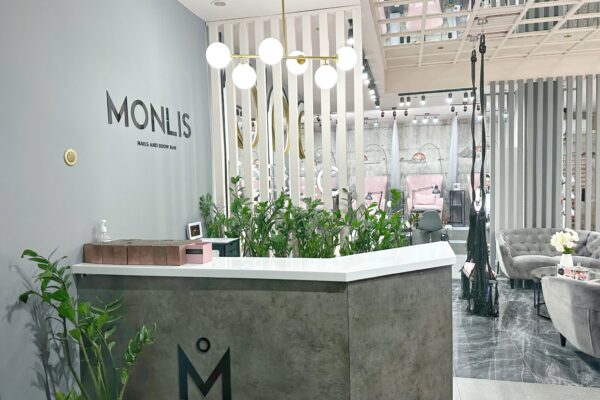
Are treatment beds freshly made between clients? Is hand sanitizer within easy reach? Are used tools left lying openly on work surfaces? Separate, lockable treatment rooms instead of a curtain between two beds are more than aesthetics — they show a studio is investing in privacy and hygiene, not just in the reception area clients see first.
Honestly, this is the point where many clients tend to be too lenient — a nice reception desk with fresh flowers says nothing about the actual treatment room. A glance through the door is worth more than any first impression.
5. A Thorough Skin Analysis and Consultation Before Treatment
A trustworthy esthetician starts every first treatment with a skin analysis and targeted questions — not by reaching for the nearest product.
This isn’t a courtesy ritual, it’s practical: certain active ingredients don’t mix well with retinoids, blood thinners, or a freshly done tattoo near the treatment area. Before a first treatment, at minimum these points should come up:
- Current skin concerns, allergies, and sensitivities
- Medications currently taken, especially blood thinners or retinoid products
- Previous cosmetic procedures or reactions to products
- The actual treatment goal — and whether it’s realistically achievable with the chosen method
Anyone who skips these questions and goes straight into a massage or a peel is taking on unnecessary risk. A simple test: if you lie down for a first treatment and no one asks about allergies or skin issues, that’s not a good sign. A competent esthetician will explain without hesitation which products are being used and why.
6. Premium Products and Transparent Brand Choices
The quality of the products used directly affects the treatment result — and a studio that’s open about its brand choices tends to communicate transparently in other ways too.
Names like Dermalogica or BABOR in skincare, or OPI, CND Shellac, and Luxio in nail care, are well established in the industry and stand for documented product quality and compatibility. That doesn’t mean only premium brands deliver good results. It means: an esthetician should be able to explain, without hesitation, why this particular product for this particular skin type — not just what it costs.
If you want to learn more about the underlying approach to other skincare topics — such as facial treatments matched to your individual skin type — there’s a deeper dive on the MONLIS blog: Facial Treatment Munich by Skin Type.
7. A Reasonable Treatment Duration as a Quality Signal
A noticeably short treatment time is often a sign of conveyor-belt pacing — quality, in cosmetics, generally takes some time.
A thorough facial with analysis, cleansing, exfoliation, and skincare typically takes considerably longer than a simple product application. If a studio offers the same service in half the usual time, chances are a step got cut — usually the analysis or the thorough cleansing, both of which matter for the result. If one provider quotes noticeably less time than several others nearby for the same service, it’s worth asking what actually happens in that shorter window.
8. Specialization and Experience in Your Specific Needs
Not every studio is equally suited to every skin concern — for acne, rosacea, or mature skin, demonstrable experience with that specific issue pays off.
A studio can be excellent at classic skincare and still have little experience with inflamed skin or rosacea — where the wrong products can make things worse rather than better. “How many clients with my skin concern do you treat regularly?” is a perfectly reasonable question. And an esthetician who’s honest about a topic not being their specialty, and instead recommends a dermatological check-up, earns more trust than one who always has an immediate solution for everything.
9. Transparent Pricing and Honest Communication
A trustworthy cosmetic studio shows its prices openly — online, posted in the studio, or on request — and doesn’t tack on surprise fees after the treatment.
Is a price list publicly available before booking, ideally on the website? If it’s missing entirely or only shows up at the reception desk, that’s worth being cautious about. Equally telling: how does a studio respond when a result doesn’t meet expectations? A follow-up fix, an honest conversation, a clear explanation — an open approach to complaints is what separates a professional business from one that simply deflects criticism.
MONLIS Beauty Studios — All 9 Criteria in One Place
At MONLIS, these criteria aren’t a promise on a website — they’re daily practice. Across all three locations — Goetheplatz, Karlstraße, and Westpark — certified estheticians with international qualifications are on staff. Only premium products such as OPI, CND Shellac, and Luxio are used, documented hygiene protocols with sterile single-use instruments are standard, and more than 10,000 clients have already used the studios. Treatments such as Facial Treatment Munich by Skin Type always start with a skin analysis, prices are listed on the website, and appointments can be booked online around the clock.
Nine criteria can’t be ticked off in five minutes. But the most important ones can — right during that first consultation: ask about training, take a real look at hygiene and the premises, notice whether a skin analysis actually happens. A trustworthy cosmetic studio in Munich has a clear, open answer to all of it — without hesitation.
Ready to check these criteria for yourself? Book an appointment at MONLIS
This article is for general information purposes only and does not replace individual advice from a doctor or qualified professional.
Frequently Asked Questions
The title generally requires training at a state-recognized vocational school, which — depending on the German state — takes two to three years and ends with an official exam. This sets it clearly apart from freely chosen titles like “diploma esthetician,” which have no protected background behind them.
Prices vary widely depending on the treatment, the studio, and the location — from simple skincare treatments to elaborate device-based procedures. A transparent, publicly available price list is itself a quality signal and should be checked before booking.
That depends on your skin type and treatment goal; many estheticians recommend a professional facial every four to six weeks, in line with the skin’s natural renewal cycle. You’ll get the best individual recommendation during a first consultation.
Typical warning signs include no skin analysis before the first treatment, visibly unclean work surfaces, no visible certificates, and a noticeably short treatment time with no explanation. Evasive answers to questions about training or hygiene are also a clear signal.
No, the title itself is not protected, which is why training background and certificates need to be checked individually. What is protected, however, is the qualification “state-certified esthetician,” which requires recognized training.